Children learn about the world through their senses. From the moment they begin exploring their surroundings, they touch, listen, observe, smell, and move. Sensory play encourages children to actively use these senses while interacting with different textures, sounds, shapes, and materials.
For early childhood development, sensory play is far more than just fun. It supports important developmental milestones that influence how children think, learn, and regulate emotions.
What Is Sensory Play?
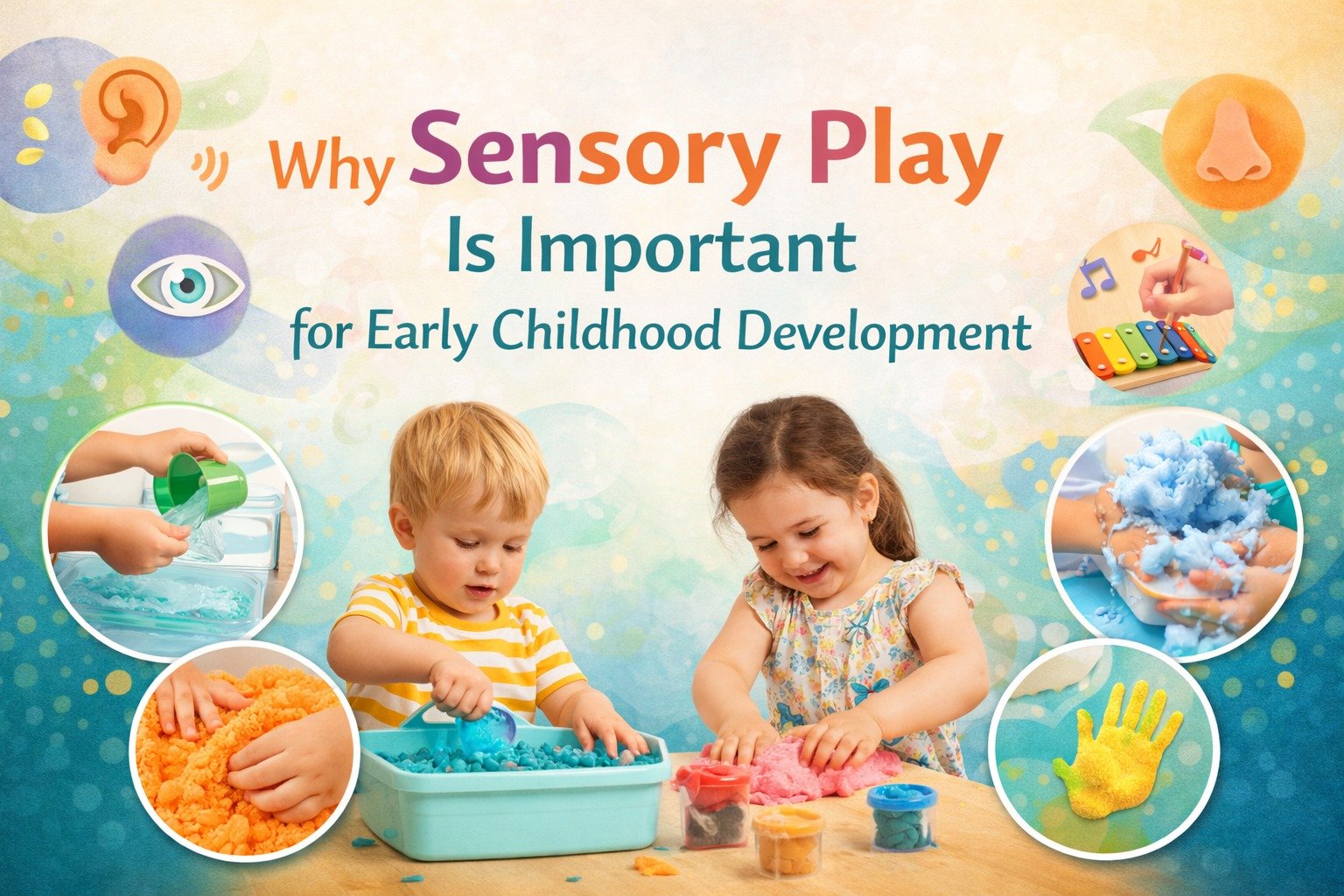
Sensory play refers to activities that stimulate a child’s senses. These activities encourage children to explore materials and environments using touch, sight, hearing, smell, and movement.
Examples of sensory play include:
• Playing with sand or water
• Exploring textured toys
• Listening to musical instruments
• Playing with soft clay or playdough
• Using sensory bins filled with different materials
These simple experiences provide powerful learning opportunities during the early years of development.
Supports Brain Development
During early childhood, the brain develops rapidly. Sensory experiences help strengthen neural connections in the brain, allowing children to process information more effectively.
When children interact with different textures, sounds, and movements, they learn how to interpret sensory information and respond appropriately. These experiences support memory, attention, and problem solving.
Improves Fine and Gross Motor Skills
Sensory activities often involve movement and manipulation of objects. This helps children develop coordination and control.
For example:
• Squeezing clay strengthens hand muscles
• Pouring water improves hand eye coordination
• Climbing and balancing support gross motor development
These skills later contribute to activities such as writing, drawing, and sports.
Encourages Curiosity and Exploration
Children are naturally curious. Sensory play allows them to explore freely and discover how different materials behave.
When children experiment with textures, sounds, and movement, they begin developing critical thinking and creativity. Instead of simply following instructions, they learn through exploration.
Supports Emotional Development
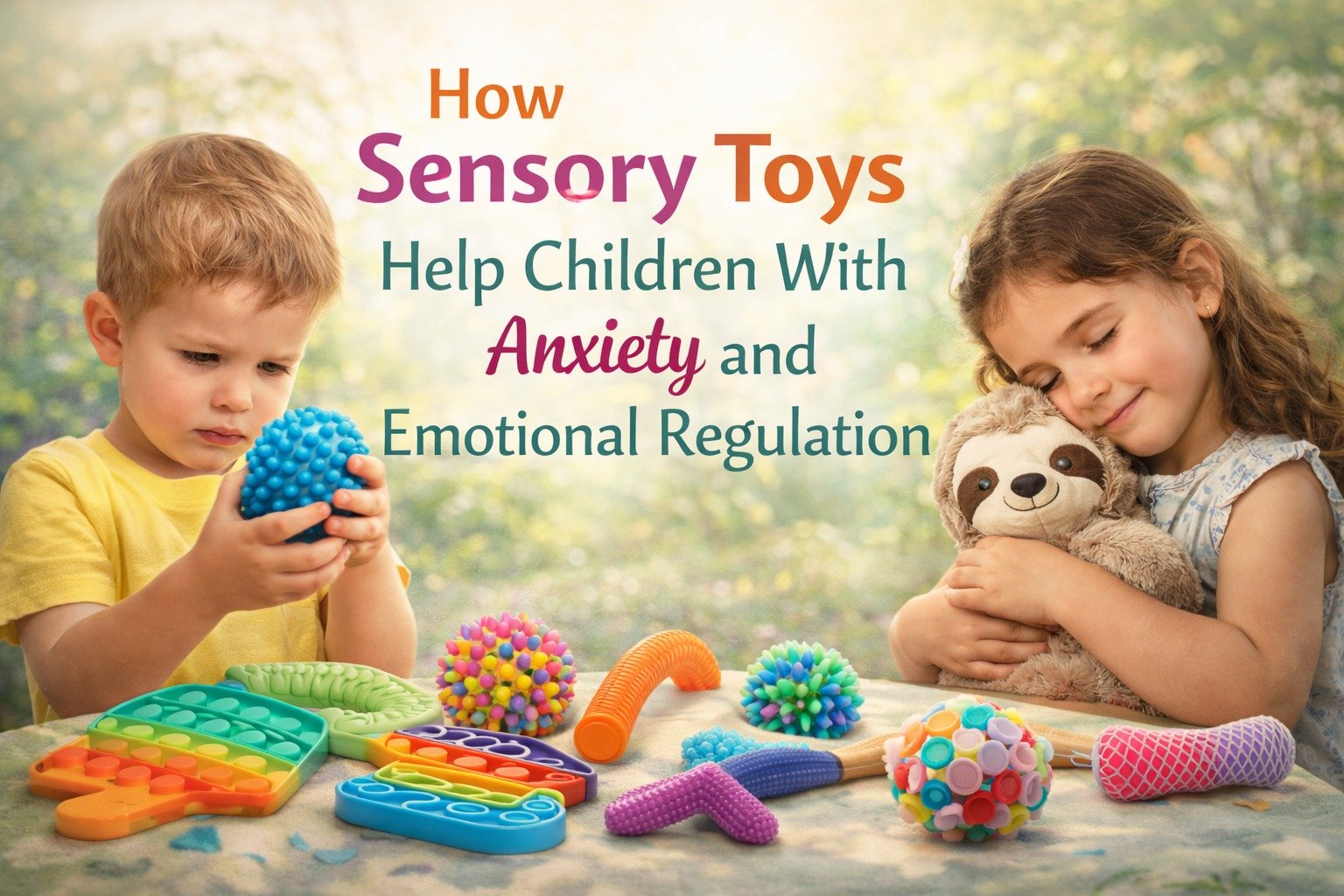
Sensory play can also have a calming effect. Activities like playing with soft materials, water, or sensory toys help children regulate emotions and reduce stress.
This is especially helpful for children who experience anxiety or difficulty managing emotions.
At Little Lantern Group, sensory based learning environments are designed to help children feel safe, curious, and engaged while supporting their emotional wellbeing.
Enhances Language Development
Sensory activities naturally encourage communication. Children often describe what they feel, see, and experience while playing.
For example, they might say something feels rough, soft, cold, or squishy. These conversations expand vocabulary and help children express their thoughts more clearly.
Building Confidence Through Play
Sensory play allows children to experiment without pressure. There is no single correct way to explore textures or materials.
This freedom builds confidence and independence. Children learn that their ideas and discoveries matter.
Creating Sensory Opportunities at Home
Parents can easily introduce sensory play using simple everyday materials.
Try activities like:
• Water play in a small container
• Texture boards with fabric and natural materials
• Homemade playdough
• Sensory bins with rice, beans, or sand
These simple activities can support learning while also creating joyful play experiences.