Why Choosing the Right NDIS Provider Matters
Choosing an NDIS provider is one of the most important decisions you’ll make for yourself or your child. The right provider can genuinely improve quality of life, build independence, and reduce stress for families. The wrong one can do the opposite, even if everything looks good on paper.
In Queensland, there are hundreds of registered and unregistered providers, which makes the decision even more overwhelming. The key is knowing what to look for and how to filter your options in a practical way.
Step 1: Understand Your NDIS Plan First
Before you start comparing providers, take a step back and look at your NDIS plan.
Ask yourself:
- What supports are funded?
- What are your main goals?
- What type of help do you actually need day to day?
If your plan includes core supports, capacity building, or therapy services, you need a provider that aligns with those specific needs. Many families make the mistake of choosing a provider first and then trying to fit their plan around them.
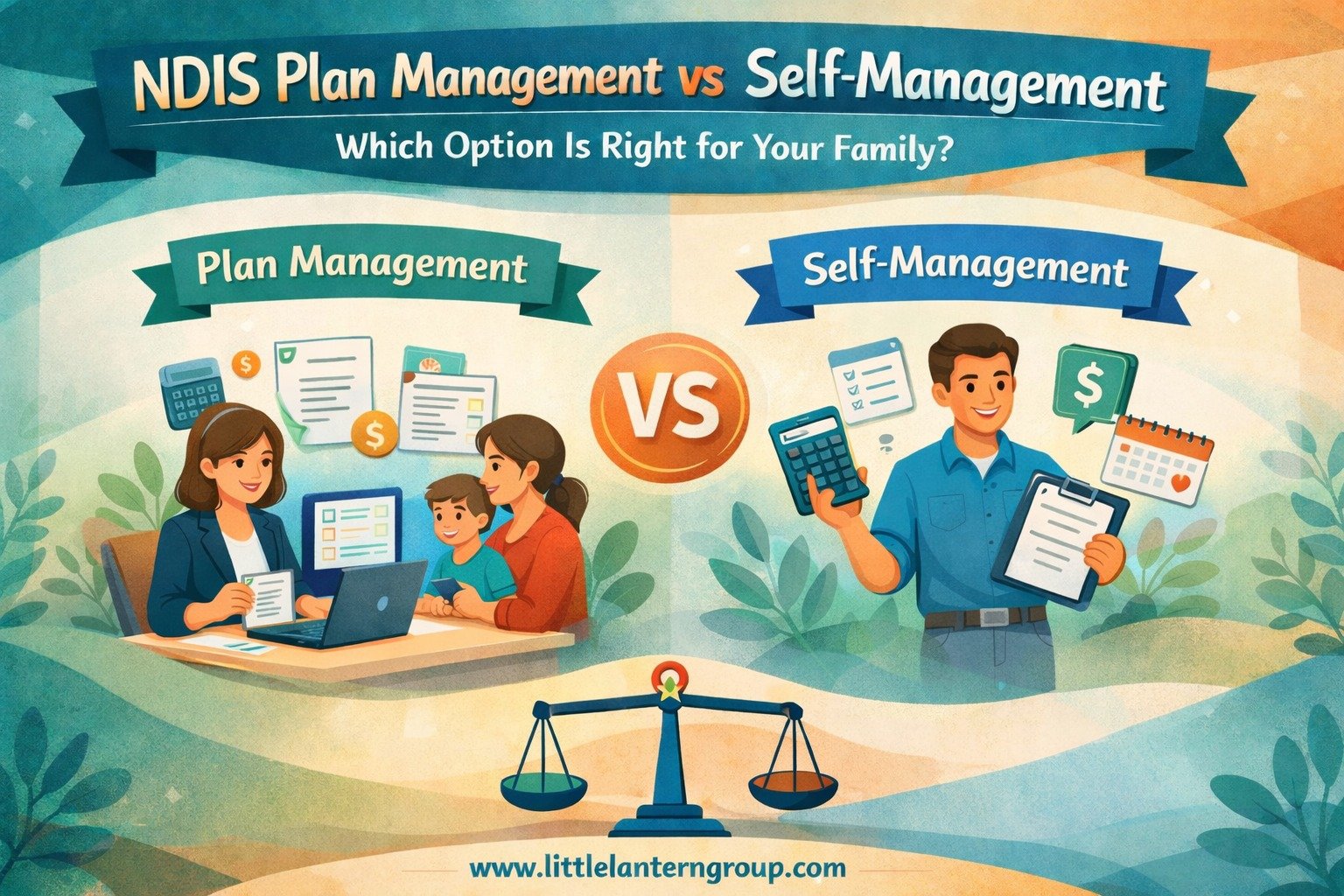
Step 2: Decide Between Registered and Unregistered Providers
In Queensland, you can choose between registered and unregistered NDIS providers depending on how your plan is managed.
Registered providers are approved by the NDIS and must meet strict quality standards. They are often a safer option, especially for new participants.
Unregistered providers can sometimes offer more flexibility or lower costs, but you need to do more due diligence yourself.
If your plan is agency-managed, you are required to use registered providers. If it is self-managed or plan-managed, you have more freedom.
Step 3: Look for Experience in Your Specific Needs
Not all providers are the same. Some specialise in children, some in adults, and others in specific conditions.
For example, if your child needs behavioural support, you want a provider with real experience in that area. If you need daily living assistance, look for providers who offer consistent support workers rather than rotating staff.
This is where asking the right questions matters more than just reading a website.
Step 4: Assess Communication and Responsiveness
One of the biggest indicators of a good NDIS provider is how they communicate.
Pay attention to:
- How quickly they respond to enquiries
- Whether they explain things clearly
- How easy it is to contact them
If communication is slow or unclear at the start, it usually doesn’t improve later.
Families often underestimate this, but strong communication makes a huge difference over time.
Step 5: Meet the Team or Support Workers
If possible, meet the people who will actually be working with you or your child.
A provider might look great on paper, but the real experience depends on the support worker.
Look for:
- Comfort and trust
- Clear understanding of your needs
- Patience and professionalism
The right fit is just as important as qualifications.
Step 6: Check Flexibility and Availability
Some providers have long waiting lists, especially in high-demand areas across Queensland.
Ask about:
- Availability of services
- Flexibility with scheduling
- Ability to adjust supports if your needs change
Life doesn’t stay the same, and your provider should be able to adapt.
Step 7: Read Reviews and Ask for Feedback
Reviews can give you insight into other families’ experiences.
You can also ask providers directly for references or testimonials. Hearing real feedback often reveals things that websites don’t.
Step 8: Understand Pricing and Transparency
NDIS pricing is generally regulated, but there can still be differences in how services are delivered.
Make sure you understand:
- Hourly rates
- Cancellation policies
- What is included in each service
Clear pricing upfront avoids issues later.
Final Thoughts
Choosing the right NDIS provider in Queensland is not about picking the biggest or most well-known option. It’s about finding a provider that understands your needs, communicates well, and fits your situation.
Take your time, ask questions, and trust your judgement. The right choice can make a significant difference in your everyday life.